
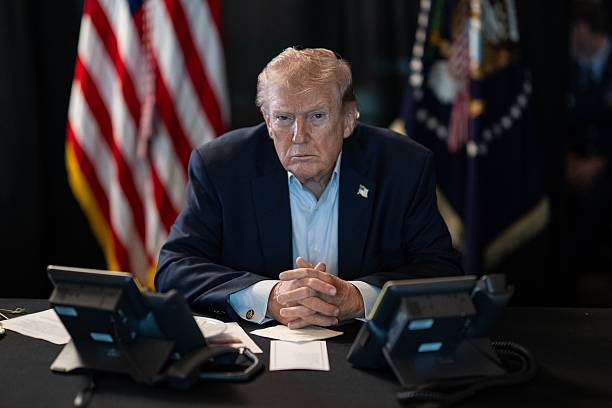
US Iran 15 Point Plan to End War – a sweeping diplomatic framework conveyed through Pakistan that includes a one-month ceasefire and a comprehensive set of conditions aimed at halting nearly four weeks of devastating conflict in the Middle East. The proposal, crafted by US envoys Steve Witkoff and Jared Kushner, represents Washington’s most structured peace effort since the war began on February 28. Yet even as the White House touts its peacemaking efforts, Tehran has flatly denied that any negotiations are taking place, leaving the world on edge over whether diplomacy can gain traction before the conflict widens further.
What the US Iran 15 Point Plan Contains
According to Israel’s Channel 12, citing three unnamed sources, the framework through which the US Iran 15 Point Plan to End War includes several far-reaching demands. These reportedly encompass the full dismantling of Iran’s nuclear program, an end to Tehran’s support for proxy groups such as Hezbollah and Hamas, and the immediate reopening of the Strait of Hormuz – through which nearly a fifth of the world’s daily oil and liquified natural gas once flowed before Iran’s blockade. The New York Times, citing two officials, confirmed that the plan was transmitted via Pakistan’s diplomatic channels. The first phase envisions a one-month ceasefire during which both sides would negotiate the remaining conditions in detail.
Iran’s Fierce Rejection
Despite the fact that the US Iran 15 Point Plan to End War, Tehran’s response has been swift and dismissive. Iranian Foreign Ministry spokesperson Esmaeil Baqaei stated plainly: “There are no talks or negotiations between Iran and the United States.” He cited Iran’s bitter experience of being attacked twice while previously engaged in nuclear negotiations as the primary reason for its deep distrust of American diplomacy.
The Iranian military went further. Ebrahim Zolfaghari, spokesperson for the Khatam Al-Anbiya Central Headquarters, mocked the proposal in a televised address, declaring that Washington was “negotiating with itself.” Iran continued launching missile strikes at Israel and Gulf states – including a strike on Kuwait’s international airport – even as the diplomatic proposal circulated.
Global Economic Fallout and Ceasefire Hopes
News that the US Iran 15 Point Plan to End War triggered an immediate reaction in global markets. Brent crude dropped more than 5% to $94.42 per barrel on Wednesday, down sharply from over $104 the previous day. Before the conflict began, prices had held between $60 and $70 for months. Asian stock markets also surged, with Tokyo’s Nikkei rising 2.8% and Seoul’s Kospi climbing 3.1%.
The IEA, which had already coordinated the release of a record 400 million barrels from member reserves, signaled readiness for further action. Iran also communicated to the International Maritime Organization that “non-hostile vessels” would be permitted to transit the Strait of Hormuz – a move that stopped short of full reopening but eased some market anxiety.
Israel’s Position and Regional Spillover
Even as the US Iran 15 Point Plan to End War, Israel has made clear it will continue its military campaign regardless. UN Ambassador Danny Danon confirmed Israel is not part of the reported talks and that strikes on Iranian targets would go on. The war’s regional reach has been immense – Iraq has seen deadly strikes on Popular Mobilization Forces bases, Lebanon has over one million displaced, and countries from the Philippines to Japan are managing energy emergencies triggered by the Strait of Hormuz blockade.
UN Human Rights Chief Volker Türk urged all nations with influence to work urgently toward peace, calling the conflict “unprecedented in its power to ensnare countries across borders.”
FAQs About US Iran 15 Point Plan to End War
Q1. What does the US Iran 15 Point Plan to End War include?
A one-month ceasefire, dismantling of Iran’s nuclear program, ending proxy group support, and reopening the Strait of Hormuz – transmitted via Pakistan.
Q2. Why did Iran reject the plan?
Iran refuses to negotiate, claiming a history of attack by the US in past diplomatic talks and labeling the allegation by Washington as not believable.
Q3. How did markets react to the news?
Brent crude fell over 5% to $94.42 per barrel and Asian stock markets rallied, with gains of up to 3.1%, on hopes of a possible ceasefire.
Q4. Is Israel part of the talks?
No. Israel’s UN Ambassador confirmed Israel is not involved in any reported negotiations and that military strikes on Iran will continue.
Get the Latest Updates at inkrisp.com. Also, follow our social media for updates on X and Instagram.