
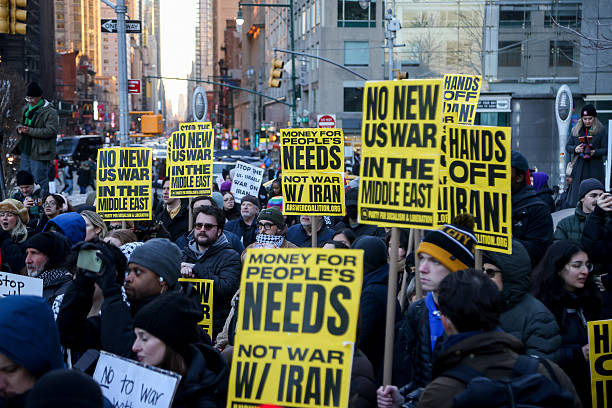
US Iran War Pause has become the new headline as President Donald Trump announced on March 24, 2026 that the US would postpone scheduled attacks on Iranian power plants by five days due to what he termed as very good and productive talks with Tehran. The trifle twist, which only occurred hours before an ultimatum of 48 hours was due to expire, changed the path of global markets and plunged oil prices. The US Iran War Pause is a possible turning point to the conflict that has already cost over 2,000 lives after U.S. and Israeli forces began operations in Operation Epic Fury on February 28, 2026.
Background: How the Conflict Escalated
The war started with U.S and Israeli forces going on Offensive Operation Epic Fury on February 28, and killing the Supreme Leader of Iran leading to instant retaliation. Iran’s most powerful countermove was blocking the Strait of Hormuz – the narrow waterway through which 20% of the world’s oil passes daily. The International Energy Agency called the resulting crisis worse than both 1970s oil shocks combined, with 11 million barrels per day wiped from global supply.
Over the following weeks, U.S. forces struck nearly 7,800 targets inside Iran. Trump then issued his most aggressive ultimatum yet – reopen the Strait within 48 hours or watch Iran’s power grid get “obliterated.” The world braced for catastrophic escalation.
What the US Iran War Pause Actually Means
The US Iran War Pause does not represent an end to hostilities. Trump made clear that military operations are ongoing and that Israel continues to conduct strikes in both Iran and Lebanon. The pause specifically postpones U.S. attacks on Iranian energy infrastructure – a move that critics including Sen. Chris Murphy (D-CT) characterized as primarily aimed at calming panicked financial markets ahead of the Friday close. German Chancellor Friedrich Merz, who had privately expressed concerns to Trump, welcomed the delay and praised the opening of a diplomatic channel with Iranian leadership.
Pakistan has emerged as a key mediator in the fragile US Iran War Pause process. Four sources told NBC News that Pakistani Prime Minister Shehbaz Sharif has been passing messages between Washington and Tehran, with a possible in-person meeting in Islamabad in the coming days. Oman’s foreign minister also held talks with Iranian counterparts, reinforcing a multilateral diplomatic push.
Tehran’s Defiant Response to the War Pause
Tehran flatly denies any negotiations took place. Parliament Speaker Ghalibaf called Trump’s claims of productive talks “fake news” used to manipulate oil markets. State television framed the US Iran War Pause as Iran forcing America to back down – not as a diplomatic win for Washington.
The IRGC warned that any strike on Iranian power plants would trigger immediate retaliation against electricity infrastructure across Israel and Gulf states. Iran’s Defense Council also threatened to mine the entire Persian Gulf if its territory was invaded – a move that would paralyze global energy shipping far beyond the Strait of Hormuz.
Global Economic and Humanitarian Impact
The conflict has had sweeping global consequences beyond the battlefield:
- Asian markets fell sharply, with South Korea’s Kospi down 6.5% and Japan’s Nikkei losing 3.5% before Trump’s pause announcement reversed the trend.
- U.S. crude oil prices had risen above $100 a barrel before plunging below $90 – a 10% single-day drop – on news of the ceasefire talks.
- India is experiencing long fuel lines as oil import disruptions bite deeply in one of the world’s largest energy consumers.
- Pakistan’s premier cricket league cancelled its opening ceremony and ordered matches played in empty stadiums to conserve energy.
- Iran expanded its declared list of legitimate military targets to include buyers of U.S. Treasury bonds, in a dramatic escalation of its economic warfare posture.
What Comes Next: Conditions for a Lasting US Iran War Pause
For this US Iran War Pause to mean anything lasting, enormous gaps must be bridged. Trump demands Iran surrender its nuclear program and reopen the Strait. Israel wants enriched uranium removed, ballistic missiles dismantled, and proxy funding cut off entirely. Iran insists it never started this war and that all pressure should be directed at Washington.
Five days is a very short window. But for a conflict spiraling toward a regional catastrophe, it may be the most important five days yet.
FAQs About the US Iran War Pause
Q: What is the US Iran War Pause?
A: Trump postponed U.S. strikes on Iranian power plants for five days on March 24, 2026, citing productive diplomatic talks – but full military operations continue.
Q: Has Iran agreed to talks?
A: No. Iran publicly denies any negotiations, calling Trump’s claims fake news. Pakistan and Oman are acting as back-channel intermediaries.
Q: How has the war hit energy markets?
A: Oil surpassed $100 per barrel before dropping 10% on pause news. Iran’s Strait of Hormuz blockade removed 11 million barrels daily – worse than both 1970s oil shocks combined.
Q: How many people have died?
A: Over 2,000 across the region – including 1,200+ in Iran, 1,000 in Lebanon, 15 in Israel, and 13 U.S. service members.
Get the Latest Updates at inkrisp.com. Also, follow our social media for updates on X and Instagram.