
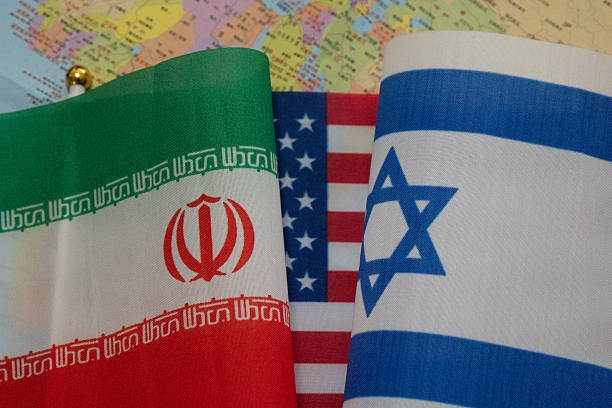
Iran 10 point Peace Plan has become the most comprehensive diplomatic initiative since the beginning of the US-Iran-Israel conflict, providing a broad framework that ties a permanent ceasefire to lifting of sanctions, nuclear promises, and Strait of Hormuz reopening. With both parties having settled on a fragile two week armistice, the world is keeping its fingers crossed whether the plan would lead to a permanent termination to one of the most threatening crises in the region in the recent past.
Background: Why Iran 10 point Peace Plan matters now
The war, sparked by US-Israeli attacks on Iran in late February 2026, has upset the global energy markets and has led to extensive speculation that the war could escalate further in the Middle East. It is against this background that the Iran 10 point Peace Plan was proposed as a holistic alternative to a US-led framework which Tehran had rejected earlier as one-sided and incomplete.
US President Donald Trump described the proposal as “workable,” signalling that formal negotiations –expected to begin in Islamabad this week – could use it as a foundation. Mediated by Pakistan, the existing ceasefire agreement pauses US military operations while Iran reopens the Strait of Hormuz, through which roughly one-fifth of global oil supplies flow. The move has already begun to ease significant pressure on international energy markets.
The full breakdown: Iran 10 point Peace Plan
At its core, Iran 10 point Peace Plan goes well beyond a simple ceasefire. It demands permanent security guarantees, full economic relief, and broad regional de-escalation. The ten points are as follows:
- Complete cessation of the war on Iraq, Lebanon, and Yemen
- Complete and permanent cessation of the war on Iran with no time limit
- Ending all conflicts in the region in their entirety
- Reopening of the Strait of Hormuz
- Establishing a protocol to ensure freedom and security of navigation
- Full payment of compensation for reconstruction costs to Iran
- Full commitment to lifting sanctions on Iran
- Release of Iranian funds and frozen assets held by the United States
- Iran commits to not seeking nuclear weapons
- Immediate ceasefire across all fronts upon approval
Key sticking points in Iran 10 point Peace Plan
While Iran 10 point Peace Plan has received cautious acknowledgement from Washington, major differences remain on the table. The most contentious issue is Iran’s nuclear programme.Tehran wants its right to uranium enrichment, although it has sworn never to develop nuclear weapons, a point that Washington has always found difficult to accept.
The lift of sanctions and banked Iranian assets is another formidable challenge. The pressure that Iran places on the complete removal of US sanctions is more than what the earlier American governments have been ready to give. Also the fact that the plan proposes the termination of hostilities in Lebanon and Yemen makes things even more difficult, with Israel declaring that it will still be active in Lebanon despite the larger ceasefire deal.
Regional implications of Iran 10 point Peace Plan
The Iran 10 point Peace Plan is no longer a bilateral proposal -it has far reaching consequences to the rest of the Middle East. By linking its terms to conflicts in Iraq, Lebanon, and Yemen, Iran is signalling that it views this as an opportunity to reshape the region’s broader security architecture. The plan implicitly demands that Iran-backed groups across the Middle East be included in any lasting settlement.
For global energy markets, the plan’s focus on the Strait of Hormuz is equally critical. Its reopening has already given temporary relief to oil prices, yet a permanent deal would be necessary to ensure market stability in the long run.
FAQs About Iran 10 point Peace Plan
Q: Who mediated the submission of Iran 10 point Peace Plan?
Pakistan was the mediator and presented the plan to the US officials after meeting with both parties individually in Islamabad.
Q: Did Iran and the US meet directly over Iran 10 point Peace Plan?
No. Iranian and US negotiators did not meet face to face. Iran also denied holding any direct talks with US envoys.
Q: What happened after Iran 10 point Peace Plan was submitted?
Just before the end of the deadline Trump had set to escalate, a two-week ceasefire between the US and Iran was announced on April 8, 2026.
Q: Does the ceasefire include Lebanon?
Israeli Prime Minister Benjamin Netanyahu made it clear that the ceasefire between the US and Iran does not apply to Lebanon.
Get the Latest Updates at inkrisp.com. Also, follow our social media for updates on X and Instagram.