
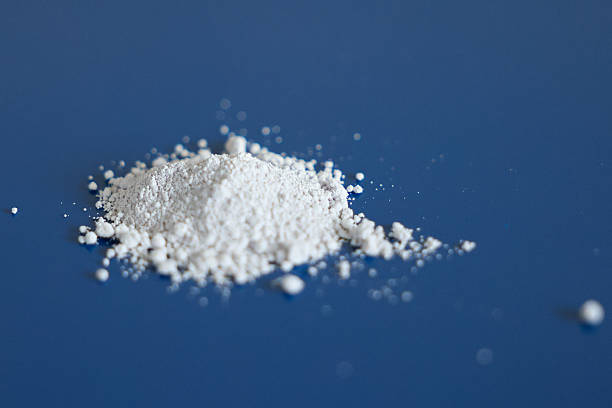
Is Creatine Safe? It is a question that most people ask. Firstly, Creatine is a natural substance that supplies energy to your muscles and helps them contract, especially during exercise.
Your body gets about half of its daily creatine needs from food like red meat, seafood, and animal milk, while the rest is made naturally in the liver, kidneys, and pancreas. Most of this creatine is stored in skeletal muscles, with smaller amounts going to the brain, heart, and other tissues.
Is Creatine Safe for the body?
For the people asking, Is Creatine Safe? Yes, Creatine supplements are considered safe for most people. Research shows they can be used without major health risks in healthy individuals. However, there is not enough evidence to confirm safety for people who are pregnant or breastfeeding or those with diabetes, kidney disease, or liver disease. In people with bipolar disorder, creatine may increase the risk of mania. A healthcare provider should be consulted before starting supplementation.
Does creatine make you gain muscle?
Creatine does not automatically build muscle on its own. Studies show that when combined with regular exercise and weight training, it can help increase muscle strength and size, especially in people aged 18 to 30. Evidence is limited for older adults or people with muscle-related diseases.
Also Read: Do Eggs Cause Cancer? Viral Eggoz Claims Spark Food Safety Debate
Why do people take creatine supplements?
Many athletes use creatine because it provides quick energy for short, high-intensity activities like weightlifting and sprinting. It helps improve strength and performance without affecting endurance. Power sport athletes such as bodybuilders, football players, and wrestlers commonly use it. Some studies also suggest creatine may support brain function in people over 60, including memory and reasoning, though research is ongoing.
What is the most common type of creatine supplement?
Creatine monohydrate is the most commonly used and well-studied form. Other forms have not shown the same benefits. When taken, creatine helps produce ATP, which is the main energy source for muscles during intense activity. It also aids muscle recovery, increases anabolic hormones, improves muscle cell hydration, and may support brain energy levels.
What happens when you stop taking creatine?
When you stop taking creatine, your levels slowly return to normal over a few weeks. You may notice fatigue, slight weight loss, or reduced muscle mass during this adjustment, but your body continues to make creatine naturally.
Side effects are generally mild and may include water-related weight gain, nausea, diarrhea, dizziness, or increased sweating. Taking smaller doses throughout the day can help reduce these effects.
Overall, creatine is safe and effective for many people when used correctly. Speaking with a healthcare provider before starting is important to ensure it suits your health condition and fitness goals.
Get the Latest Updates at inkrisp.com. Also, follow our social media for updates on X and Instagram.