
What are the Top 10 Winter Foods in India? This is the time when in India, everybody is looking to keep themselves warm. Winter in India is a season of comfort, nourishment, and tradition. As the temperatures drop, our bodies naturally crave foods that provide warmth, energy, and immunity. This is where the Top 10 Winter Foods in India become essential.
There are plenty of traditional superfoods that one can consume to keep the body energised throughout the colder months. But today, we will discuss the Top 10 winter foods in India. Eating these seasonal foods is not a trend in India; it is a lifestyle that is passed down through generations. From mustard greens in the north to ragi-based meals in the south, winter food choices vary by region but share the same goal and that is to keep the body balanced and healthy.
Importance of Seasonal Eating in Winter
Seasonal eating in Indian food is matched with the body’s natural needs, and the Top 10 Winter Foods in India, which we are going to discuss, are going to reflect this balance. During winter, digestion becomes stronger, making it the ideal time to consume nutrient-dense grains, healthy fats, and warming spices.
Traditional Indian winter diets include:
- Millets like bajra and ragi
- Healthy fats such as ghee and sesame oil
- Natural sweeteners like jaggery
- Leafy greens and root vegetables
These ingredients help the body retain heat, maintain energy levels, and fight seasonal illnesses. These ingredients can be used in many delicious recipes that one can enjoy while staying on a healthy diet plan
How Winter Foods Boost Warmth, Energy, and Immunity
Now there is a reason why we eat special foods in India during the cold weather, and that is that winter foods work internally to protect the body from cold weather and infections. Spices such as ginger, turmeric, cumin, and garlic improve blood circulation and digestion. Vitamin-rich foods like amla and spinach strengthen immunity.
Benefits of winter foods include:
- Improved body warmth through slow-digesting grains
- Long-lasting energy from fibre-rich meals
- Stronger immunity against cold and flu
- Better digestion due to warming spices
- Protection from dry skin and hair
Benefits of Eating Seasonal Winter Foods
Choosing foods that grow naturally in winter provides maximum nutrition and better absorption. Seasonal vegetables like carrots, methi, beetroot, and spinach are packed with vitamins and minerals essential for winter health.
Key benefits include:
- Stronger immune system
- Improved metabolism and digestion
- Better mood and mental well-being
- Natural adaptation to cold weather
- Affordable and sustainable eating
Top 10 Winter Foods in India
Here is a carefully curated list of the Top 10 Winter Foods in India that are both nutritious and comforting:
- Sarson da Saag – Rich in iron and fibre, perfect for cold climates
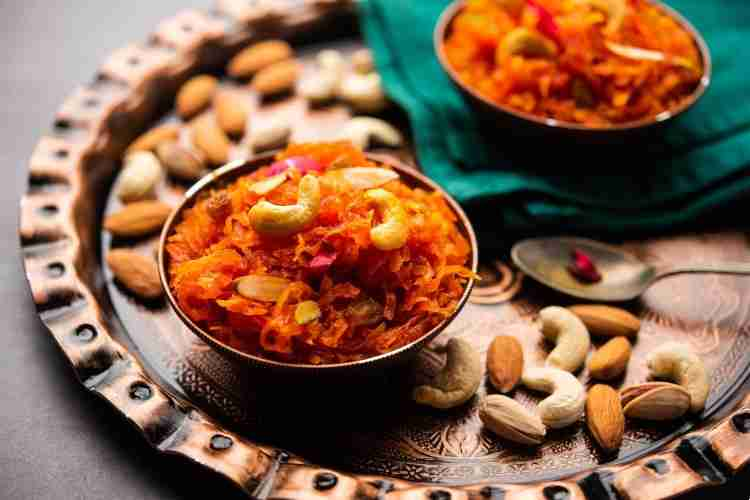
- Gajar ka Halwa – A warming dessert made with carrots, milk, and ghee
- Bajra Khichdi – High in fibre and excellent for digestion
- Ragi Porridge – A calcium-rich breakfast option
- Til ke Ladoo – Sesame seeds help generate body heat
- Amla ka Murabba – Boosts immunity and vitamin C levels
- Methi Thepla – Nutritious and ideal for daily meals
- Sweet Potato Chaat – A healthy, energy-rich snack
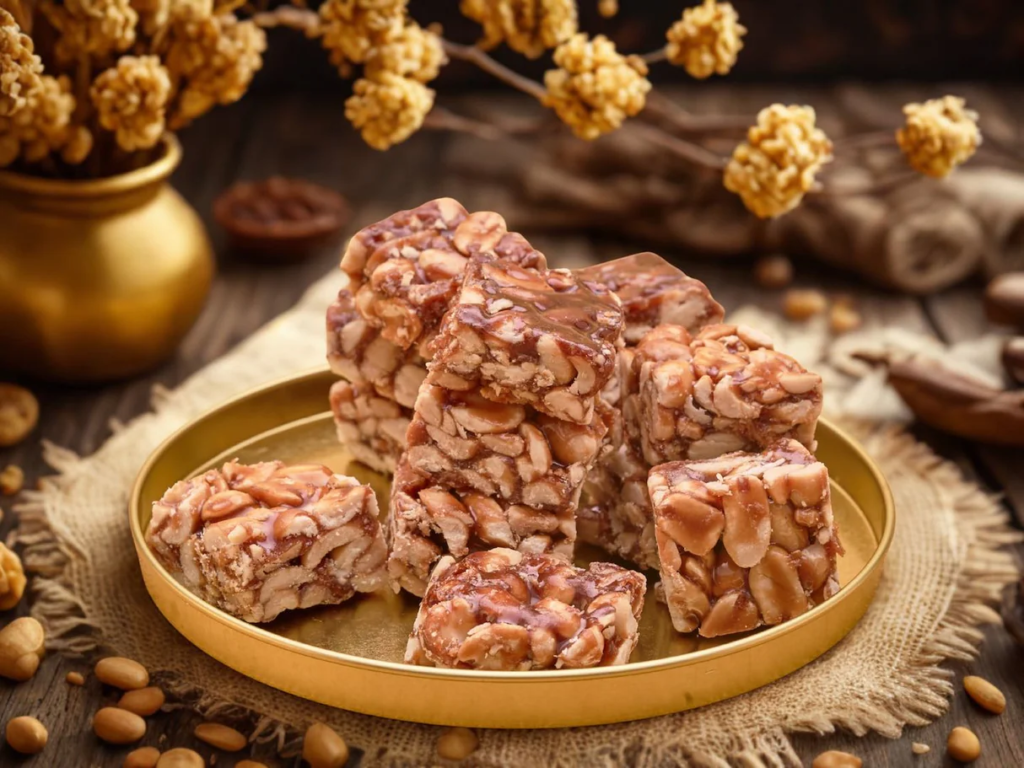
- Peanut Chikki – Protein-packed and great for winter energy, made with jaggery and peanuts
- Spinach – Iron-rich and easy to digest
Regional Influence on Winter Foods in India
All of these Top 10 winter foods in India come from different places. In India, winter food habits differ across regions. North India relies heavily on mustard greens, ghee, and jaggery. Western India enjoys bajra rotla and undhiyu, while eastern states prepare nolen gur-based sweets.
In the south, ragi balls, pongal, and rasam are enjoyed in the cold weather to keep the body warm. This regional diversity makes Indian winter cuisine rich, balanced, and deeply connected to local produce.
Expert Tips for a Healthy Winter Diet
Now you should eat everything at once. Despite these being superfoods in winter, moderation is always the key. Nutrition experts recommend balance over heaviness during winter.
Simple tips to follow:
- Add a small spoon of ghee daily
- Eat freshly cooked, warm meals
- Drink warm water or herbal teas
- Choose local and seasonal vegetables
- Avoid excessive fried foods
Read More: Do Eggs Cause Cancer
Read More: What is Peanut Chikki Made of?
Best Foods for Immunity in Winter
Now, Indian traditional foods are all very good for immunity, and the Top 10 Winter Foods in India that we discussed include many ingredients that naturally protect the body. However, if we are looking to boost our immunity in this cold weather and protect ourselves from seasonal infections, amla, turmeric, ginger, garlic, jaggery, and honey are among the best immunity-boosting foods. On the other hand, drinking turmeric milk at night or warm water with honey in the morning helps strengthen immunity and protect against common winter infections.
What should we do?
The Top 10 Winter Foods in India reflect centuries of nutritional wisdom, and these are not only comforting but also scientifically beneficial for immunity, digestion, and energy. By eating seasonally and choosing the right ingredients, you can stay healthy, warm, and energised throughout winter. However, at the same time, we should stay in moderation and only eat in moderation. Embracing winter foods is one of the simplest ways to honour India’s rich food culture while caring for your body.