
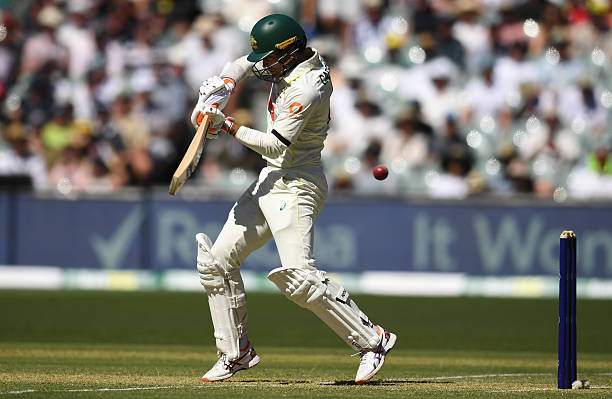
The third Ashes Test between Australia vs England in Adelaide was overshadowed by a major technology controversy after Alex Carey survived a caught-behind dismissal due to a ‘Snicko’ error. This error quickly grabbed the attention of the International Cricket Council (ICC).
The following incident occurred on Day 1 when Carey was batting on 72 runs, and during a quick delivery from Josh Tongue in the 63rd over, it was seen that the England wicketkeeper Jamie Smith confidently claimed the catch, and England immediately reviewed the on-field not-out decision.
During the review, the Snickometer showed a clear spike, which appeared a few frames before the ball passed the bat. Third umpire Ahsan Raza ruled in Australia’s favour by declaring that there was a clear gap between bat and ball.
This decision caused widespread debate, especially after Carey went on to score a crucial 106. After this, England’s team management, led by head coach Brendon McCullum, held discussions with match referee Jeff Crowe. The England Cricket Board also formally approached the ICC to review the incident and the reliability of the technology used.
In response to this appeal, ICC took a significant step by reinstating England’s lost review, acknowledging the seriousness of the error. Technology provider BBG Sports also issued a public apology, admitting that the wrong stump microphone had been selected during the review process, which caused the audio-visual mismatch.
Adding more fire to the controversy, Carey himself admitted post-play that he felt he had edged the ball. England bowling coach David Saker expressed frustration, questioning how such errors could still occur at the highest level of international cricket.
This incident has reignited concerns around decision-review technology in Test cricket, with many calling for stricter checks and improved protocols to ensure fairness.